


The Supreme Court has reiterated that the legal heirs of a deceased individual who was driving a vehicle in a rash and negligent manner are not entitled to compensation under the Motor Vehicles Act, 1988. A bench comprising Justices P.S. Narasimha and R. Mahadevan declined to interfere with the Karnataka High Court’s earlier decision, which had dismissed a claim for compensation filed under Section 166 of the MV Act.
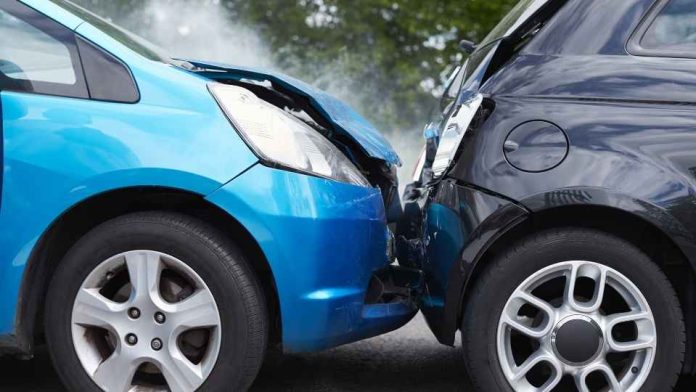
The case involved one N.S. Ravisha, who passed away in a car accident while allegedly driving a Fiat Linea at high speed. According to the findings of the Motor Accident Claims Tribunal (MACT), Arsikere, the accident was attributed to his own rash and negligent driving, which caused the vehicle to topple. Based on this, the Tribunal held that he was the tortfeasor (the party responsible for the harm) and dismissed the claim for compensation of ₹80 lakhs filed by his legal heirs—his wife, son, and parents.
Upon appeal, the Karnataka High Court upheld the Tribunal’s decision, relying on the precedent established in Ningamma & Anr. v. United India Insurance Co. Ltd., (2009) 13 SCC 710. The High Court observed that permitting compensation in such cases would effectively allow a person’s legal representatives to benefit from the consequences of their own wrongful actions, which is not supported under the law.
The appellants argued that since the deceased was not the owner of the vehicle, the insurer could not deny liability. However, the High Court, referencing Minu B. Mehta v. Balkrishna Nayan, (1977) 2 SCC 441, noted that the deceased had borrowed the vehicle from the owner (Respondent No. 1) and therefore stood in the shoes of the owner for legal purposes. Consequently, the insurer was not obligated to indemnify for harm caused due to the borrower’s own negligence.
Finding no merit in the appeal, the Supreme Court dismissed the petition.
Case Title: G. Nagarathna & Ors. vs. G. Manjunatha & Anr.

